
UP marine, computer scientists invent semi-automated fish monitoring device
Monitoring the health of marine environments is a laborious activity, but is essential for evaluating the success of reef protection and rehabilitation initiatives. A fish census commonly involves divers swimming along a transect line, usually marked by a plastic cord, and visually counting and identifying the fish species that they encounter. This painstaking process requires

By Staff Writer
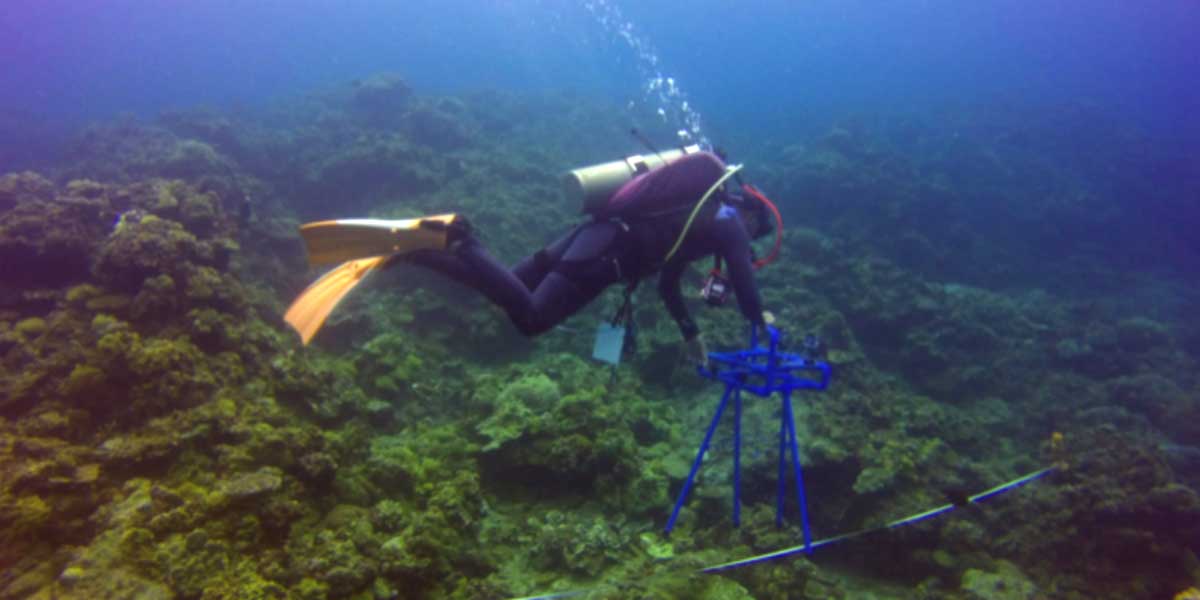
Monitoring the health of marine environments is a laborious activity, but is essential for evaluating the success of reef protection and rehabilitation initiatives. A fish census commonly involves divers swimming along a transect line, usually marked by a plastic cord, and visually counting and identifying the fish species that they encounter. This painstaking process requires trained experts and highly knowledgeable divers to accurately record data on species, size, and abundance.
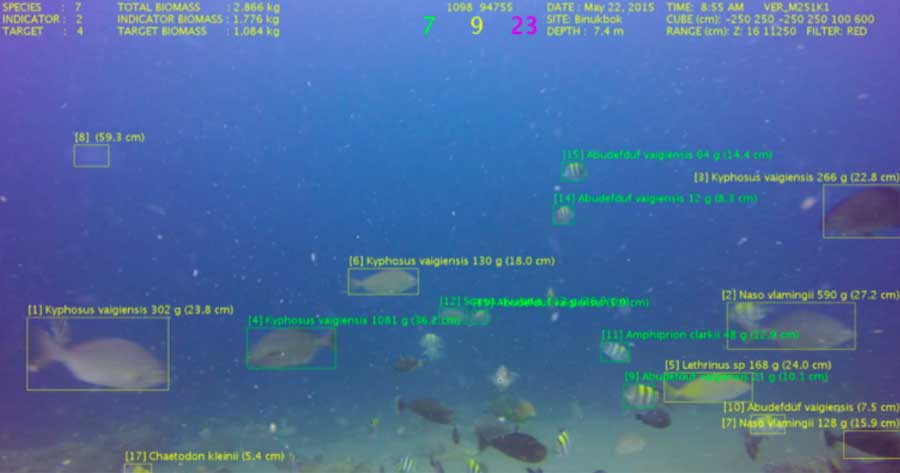
In 2016, Dr. Laura David of the University of the Philippines – Diliman College of Science Marine Science Institute (UPD-CS MSI), together with co-author machine intelligence expert Prof. Prospero C. Naval, Jr. of the UP Department of Computer Science (UPD-DCS) presented a conference paper entitled, “FishDrop: Estimation of Reef Fish Population Density and Biomass using Stereo Cameras” which proposed a semi-automated method that combines a stereo camera rig and image recognition software to allow for more efficient and accurate reef fish census.
The proposed technology would enable divers with minimal training to obtain high-quality population and species distribution measurements using the specially developed stereo camera rig and fish video analyzer software.
FishDrop promises to help improve the Philippines’ reef resilience and biodiversity restoration efforts, and contribute towards the overall health of the country’s reef ecosystems.
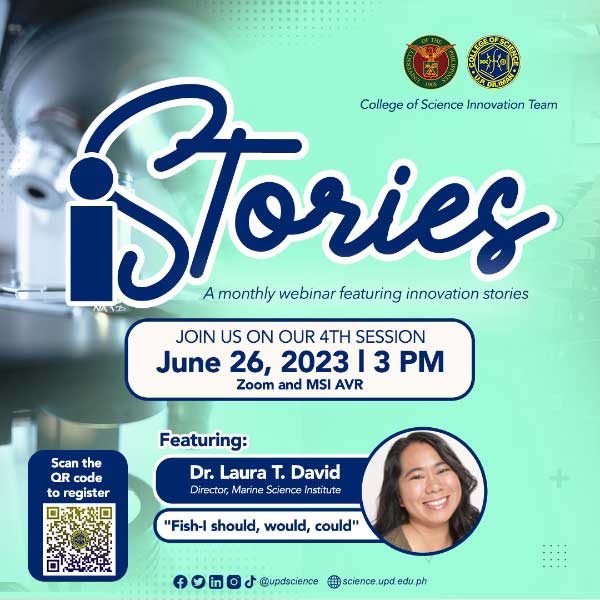
Last June 26, Dr. David took the iStories stage to expound on ‘FishDrop’ and share their team’s journey not just in developing the technology, but also in successfully translating this groundbreaking innovation into a patent.
“Perseverance is necessary to get the concept and the product translated into a patent and commercial venture. It has not been an easy road,” says Dr. David. Like any other intellectual property and patent applications, the journey for FishDrop has been tedious, nevertheless rewarding. Dr. David hopes that through her sharing, she may inspire others to persevere with their own scientific endeavors despite the trudging process.
iStories is a series of innovation-themed talks, storytelling, and activities featuring local and international scientists. The initiative aims to ignite the creativity and inventiveness of young scientists not just from UPD-CS but from other institutes inside and outside UP.
The iStories series takes place at 3:00 pm on the last Monday of every month. Subscription to individual sessions or the entire iStories webinar series is also possible through the same registration form.
Sources:
Naval, P. C., & David, L. T. (2016). FishDrop: Estimation of reef fish population density and biomass using stereo cameras. In 2016 Techno-Ocean (Techno-Ocean). DOI: 10.1109/Techno-Ocean.2016.7890710.
Article Information
Comments (0)
LEAVE A REPLY
No comments yet
Be the first to share your thoughts!


