
SRA READING LABORATORY BOOK AND ONLINE EDITIONS LAUNCHED
Abiva Publishing House, Inc. unveils the SRA Power Builder, the 2024 six-book version of the SRA Reading Laboratory kit, and the SRA Reading Laboratory: Online (Global Edition). Leading educators from various institutions graced the occasion, among them (from left): Christine Trajano, Ideacademy, Inc. specialist, Cora Sapo Abiva Publishing House, Inc. marketing manager, Dr. Heidi Macahilig,

By Staff Writer
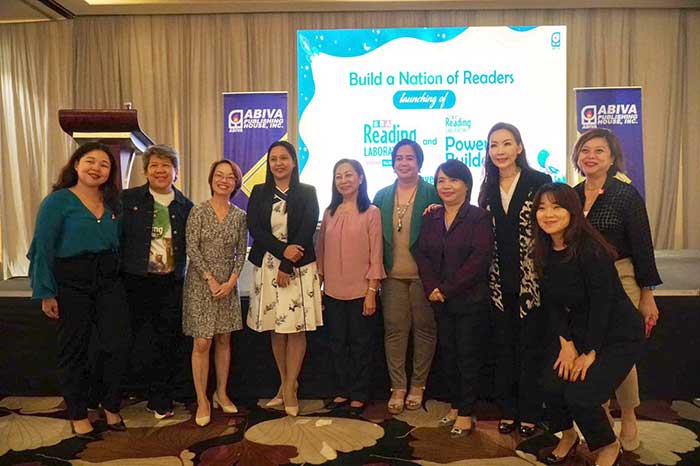
Abiva Publishing House, Inc. unveils the SRA Power Builder, the 2024 six-book version of the SRA Reading Laboratory kit, and the SRA Reading Laboratory: Online (Global Edition). Leading educators from various institutions graced the occasion, among them (from left): Christine Trajano, Ideacademy, Inc. specialist, Cora Sapo Abiva Publishing House, Inc. marketing manager, Dr. Heidi Macahilig, Philippine Normal University director of Education and Policy Research Development Office, Dr. Rosalyn Mirasol, president of the Reading Association of the Philippines, Nancy Almonte, Abiva Publishing House, Inc. SRA manager, Dr. Elsie Gancia, John. B. Lacson Foundation Maritime University-Molo faculty, Christine Hinayon-Pepito, St. Theresa’s College-Cebu English area coordinator, Krystyna Hue, McGraw Hill Education-Asia business director; and Christine Hwang, Senior Literacy Curriculum consultant, and Myla Katzav of Ideacademy, Inc. The SRA Power Builders and SRA Online Global Edition launch events were held in Sequoia Hotel, Quezon City last March 14, and the Marco Polo Hotel, Cebu last March 16, with more legs at the Grand Regal Hotel, Davao on March 22, and Chali Beach Resort and Conference Center, Cagayan de Oro on March 23.
Article Information
Comments (0)
LEAVE A REPLY
No comments yet
Be the first to share your thoughts!


