
Livelihood aid empowers women in Guimaras
The Sustainable Livelihood Program (SLP) of the Department of Social Welfare and Development has benefited 856 women in the province of Guimaras. The project worth Php6 million, was implemented by DSWD in partnership with the office of lone district Rep. Ma. Lucille L. Nava. The office of Rep. Nava identified the beneficiaries who can avail

By Staff Writer
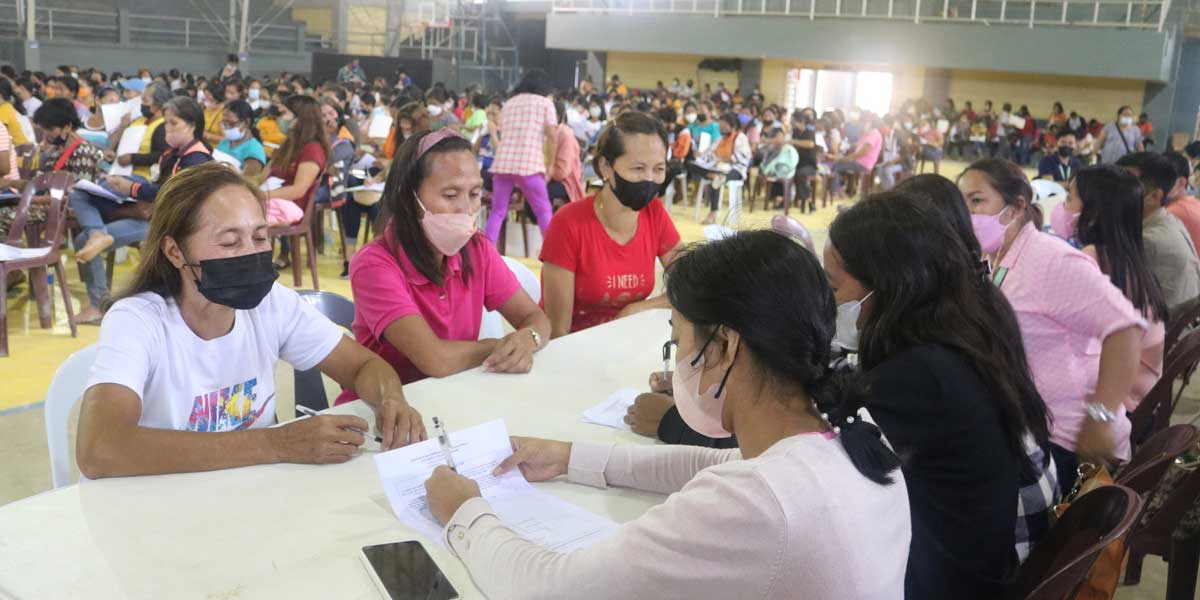
The Sustainable Livelihood Program (SLP) of the Department of Social Welfare and Development has benefited 856 women in the province of Guimaras.
The project worth Php6 million, was implemented by DSWD in partnership with the office of lone district Rep. Ma. Lucille L. Nava.
The office of Rep. Nava identified the beneficiaries who can avail the livelihood assistance.
The recipients of the cash aid are members of the Integrated Women’s Alliance of Guimaras (IWAG).
Majority of these beneficiaries came from the Municipality of Nueva Valencia with 369, Sibunag has 167, Buenavista has 124, San Lorenzo has 122 and 74 beneficiaries from the town of Jordan.
The recepients already own small businesses and the cash assistance that they can avail will augment their capital.
The amount they will receive will depend on their proposed enterprise or business.
Governor JC Rahman Nava expressed gratitude to the Department of Social Welfare and Development for the project that has helped the Guimarasnons.
Governor Nava said that this small amount will help the livelihood of the people of Guimaras.
He hopes that the beneficiaries will take care of the assistance given to them and nurture it.
“Magamay ini nga bagay pero ginalauman namon nga maka-contribute sa inyo kinahanglanon sa inyo panimalay indi lamang sa isa ka adlaw. Kun mahimo tani mapadaku niyo,” the governor said.
Article Information
Comments (0)
LEAVE A REPLY
No comments yet
Be the first to share your thoughts!


