
Iloilo provincial board approves MOU with Mission Hospital
The Iloilo Provincial Council approved a resolution authorizing Governor Arthur Defensor Jr. to sign a Memorandum of Understanding (MOU) with Iloilo Mission Hospital Inc. (IMHI) during its 109th Regular Session on Sept. 10, 2024. Gov. Defensor requested approval from the council in a letter dated Aug. 22, 2024, seeking authority to sign

By Juliane Judilla
By Juliane Judilla
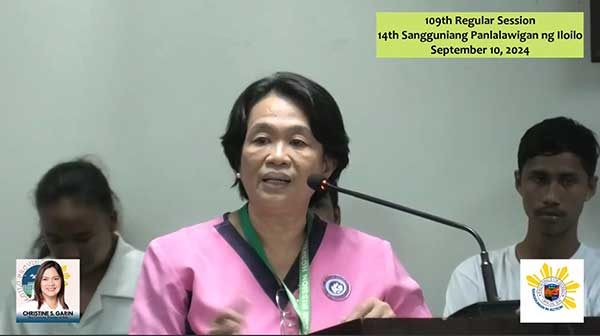
The Iloilo Provincial Council approved a resolution authorizing Governor Arthur Defensor Jr. to sign a Memorandum of Understanding (MOU) with Iloilo Mission Hospital Inc. (IMHI) during its 109th Regular Session on Sept. 10, 2024.
Gov. Defensor requested approval from the council in a letter dated Aug. 22, 2024, seeking authority to sign the MOU on behalf of the provincial government. The agreement focuses on post-hospital care and follow-up services for recently discharged nursing mothers and newborns in communities across Iloilo province.
Gayvi Japitana, senior head nurse at IMHI, explained that the hospital needs assistance coordinating with local health facilities in different districts to implement after-care programs for postpartum mothers and their babies.
“We’re requesting coordination with barangay health workers (BHWs) in each town,” Japitana said. “When postpartum mothers return to their communities after discharge, we need a focal person we can contact to endorse the program.”
Gov. Defensor certified that, upon passage of the resolution, the MOU can be immediately implemented. This is in accordance with Republic Act 10028, also known as the Breastfeeding Act of 2009, and is a requirement for IMHI to receive accreditation from the Department of Health (DOH) as a Mother-Baby Friendly Hospital.
Article Information
Comments (0)
LEAVE A REPLY
No comments yet
Be the first to share your thoughts!


