
BSP extends salary loan repayment to seven years
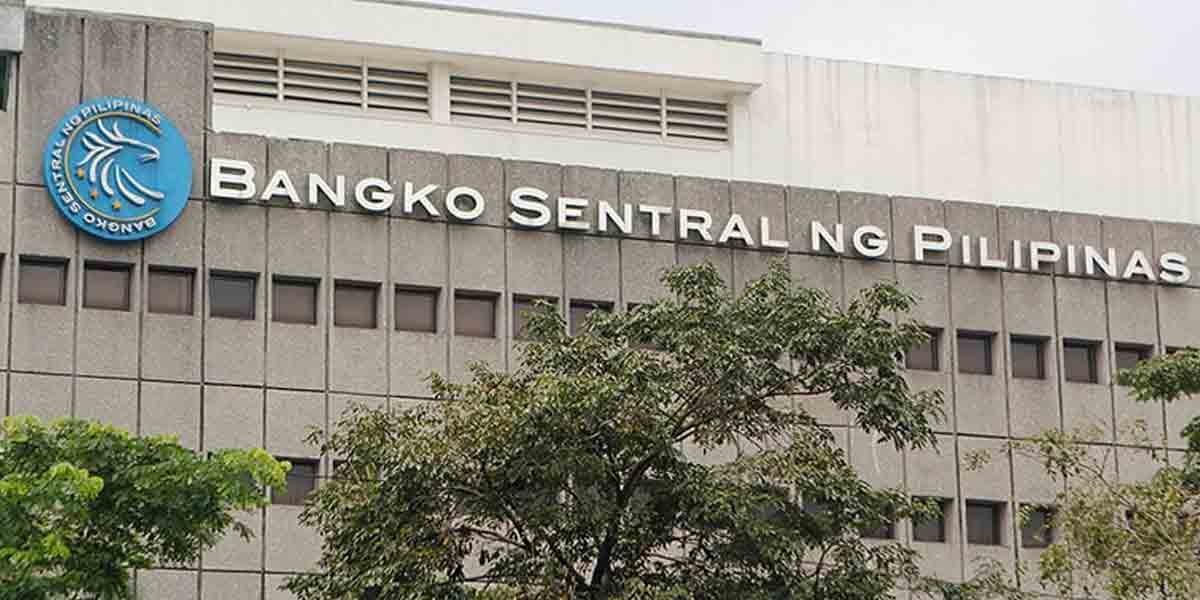
The Bangko Sentral ng Pilipinas has extended the maximum repayment period for salary-based general-purpose consumption loans to seven years, a move aimed at making amortizations more manageable for borrowers while keeping guardrails against excessive debt. The policy applies to all borrowers, including teachers and other employees, the BSP said in a press release dated June
The Bangko Sentral ng Pilipinas has extended the maximum repayment period for salary-based general-purpose consumption loans to seven years, a move aimed at making amortizations more manageable for borrowers while keeping guardrails against excessive debt.
The policy applies to all borrowers, including teachers and other employees, the BSP said in a press release dated June 19, 2026.
Salary-based general-purpose consumption loans, or SBGPCLs, are unsecured loans used for immediate to short-term needs, including education, healthcare, emergencies, travel, household needs, and other personal expenses.
These loans are typically repaid through salary, pension, or other stable cash flows.
The BSP said the longer repayment period is intended to make payments more manageable for borrowers.
The seven-year cap is also intended to serve as a safeguard against excessive borrowing.
Previously, SBGPCLs were generally limited to three years.
The loans could be extended to five years only in meritorious cases.
Under the BSP circular, the seven-year period is the maximum allowable tenor and not a fixed loan term.
Banks and other BSP-supervised financial institutions must still determine the actual repayment period based on a borrower’s capacity to pay.
The BSP said lenders must consider sources of repayment, employment and credit history, and the nature and purpose of the loan.
The central bank said the approach reinforces responsible lending practices and supports its mandate to promote financial stability.
For longer-term or non-consumption needs, borrowers may consider other types of loans, including housing, motor vehicle, or credit card loans.
Those loan products are outside the scope of SBGPCLs and are not covered by the seven-year maximum limit, even if repayments are made through salary deduction or similar arrangements.
The BSP said it continues to work with the Department of Education and partner financial institutions to promote financial literacy and responsible borrowing.
Part of the effort is ensuring that borrowers retain enough take-home pay after loan repayments.
The central bank said financial education materials are available through the BSP Learning Resources platform.
The BSP also said borrowers may explore refinancing options through facilities offered by financial institutions, including the Government Service Insurance System and the Social Security System.
For loan relief programs, the BSP cited the GSIS Enhanced Conso-Loan Plus and the SSS Conso Loan Program as possible facilities borrowers may review.
Article Information
Comments (0)
LEAVE A REPLY
No comments yet
Be the first to share your thoughts!
Related Articles

MGEN reshuffles leadership for energy transition
Meralco PowerGen Corp. is putting outgoing MGEN Thermal chief Felino M. Bernardo in charge of strategic energy transition projects, including Atimonan One Energy, the Toledo expansion, LNG, indigenous gas and nuclear studies, as the company balances baseload reliability with long-term diversification. MGEN said Arnel L. Santos will become president and chief executive officer of MGEN

BSP raises key rate to 4.75%
The Bangko Sentral ng Pilipinas raised its key policy rate by 25 basis points to 4.75 percent on June 18, 2026, as inflation pressures remained strong and the central bank projected inflation to stay above target in the coming years. The Monetary Board adjusted the interest rate on the overnight deposit facility to 4.25 percent.

Hog production rises in Western Visayas in early 2026
Hog production in Western Visayas grew by 20.4 percent in the first quarter of 2026 even as output for most other livestock and poultry commodities in the region declined, the Philippine Statistics Authority (PSA) reported. In its special release dated June 11, 2026, the PSA Regional Statistical Services Office VI said