Western Visayas sugarcane output nearly doubles in 2025
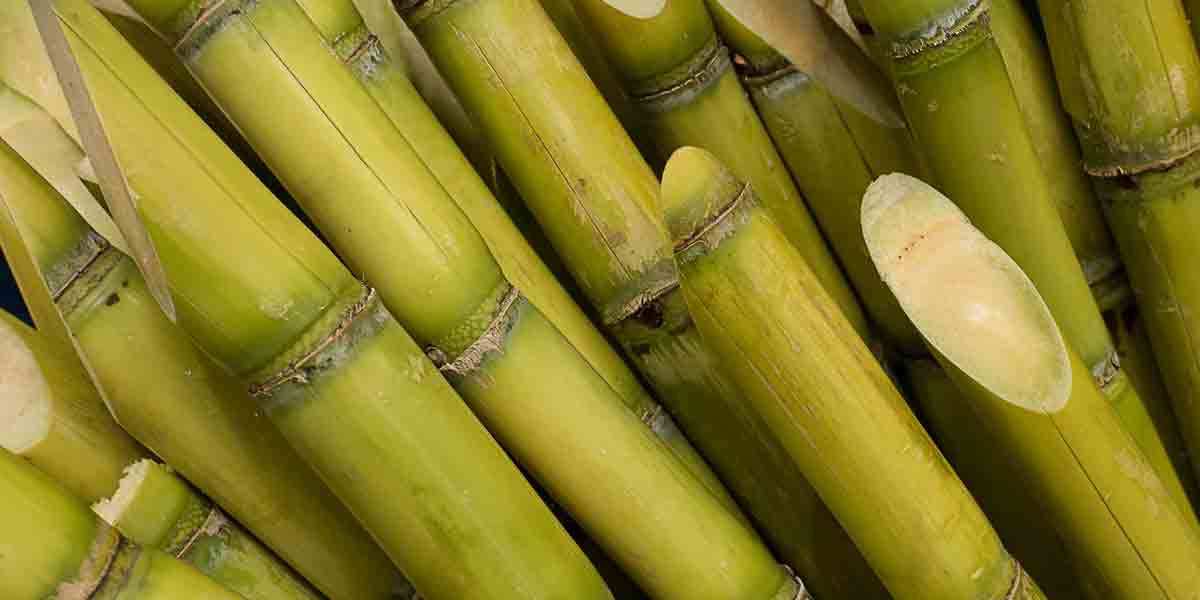
Sugarcane production in Western Visayas surged by 94 percent in 2025, reaching 2,366,976 metric tons from 1,220,225 metric tons the previous year, according to preliminary data released by the Philippine Statistics Authority (PSA) Regional Statistical Services Office VI on March 23. The PSA special release covers crop production other than
By Francis Allan L. Angelo

By Francis Allan L. Angelo
Sugarcane production in Western Visayas surged by 94 percent in 2025, reaching 2,366,976 metric tons from 1,220,225 metric tons the previous year, according to preliminary data released by the Philippine Statistics Authority (PSA) Regional Statistical Services Office VI on March 23.
The PSA special release covers crop production other than palay and corn, excluding Negros Occidental in line with Republic Act No. 12000, also known as the Negros Island Act. Production data were drawn from the Crops Production Survey.
Seven of the region’s 10 top crops posted gains in 2025. Sugarcane led the way, followed by tomato at 12.2 percent growth to 13,343 metric tons, mango at 8.1 percent to 58,333 metric tons, and pineapple at 6.8 percent to 15,931 metric tons.
Banana production rose 2.9 percent to 218,884 metric tons, watermelon climbed 2.1 percent to 53,536 metric tons, and camote (sweet potato) edged up 0.5 percent to 26,087 metric tons.
Three crops declined. Cassava recorded the steepest drop at 6.6 percent, falling to 22,100 metric tons from 23,673 metric tons.
Coconut, the second-highest crop by volume, slipped 3.6 percent to 424,453 metric tons. Eggplant dipped 3 percent to 15,161 metric tons.
Iloilo province dominated fruit crop production in 2025. The province accounted for 96.3 percent of the region’s pineapple harvest, 94.3 percent of watermelon, 69.5 percent of banana, and 53.6 percent of mango.
Guimaras followed Iloilo in mango production with a 40.8 percent share, while Aklan placed second in banana at 12 percent.
The province also led in most vegetable and root crops, contributing 93.2 percent of tomato, 83.1 percent of eggplant, 65.1 percent of jackfruit (young), 59.2 percent of squash fruit, and 51.3 percent of camote.
Cassava was the exception, with Aklan topping output at 29.3 percent, followed by Iloilo at 24.6 percent and Capiz at 23.1 percent.
Among non-food and industrial crops, Iloilo supplied 78.3 percent of the region’s sugarcane and 71.1 percent of its coffee.
Capiz and Antique accounted for the remaining sugarcane output at 18.7 percent and 3 percent, respectively.
Antique led coconut production with a 29.3 percent share, narrowly ahead of Capiz at 29 percent and Iloilo at 20.3 percent. Aklan contributed 12.8 percent, while Guimaras accounted for 8.6 percent.
Aklan was the dominant source of abaca, producing 94.1 percent of the region’s 1,883 metric tons.
Nationally, Western Visayas ranked first in watermelon production, contributing 38.2 percent of the country’s total output.
The region placed third in both sugarcane (9 percent) and mango (8.2 percent), fifth in eggplant (6.5 percent), and sixth in tomato (6.4 percent) and sweet potato (5.8 percent).
Article Information
Comments (0)
LEAVE A REPLY
No comments yet
Be the first to share your thoughts!