Sold out by noon: Alimodian farmers redefining agriculture
By the time the Agro-Industrial Fair of West Visayas State University opened its doors on January 27, marking the first day of University Days, colorful stalls bustled with enthusiastic patrons. Yet one stall stood noticeably different—not because it lacked appeal, but because it was nearly wiped clean. The Alimodian Agriculture Cooperative (Seven Cities) had already

By Staff Writer
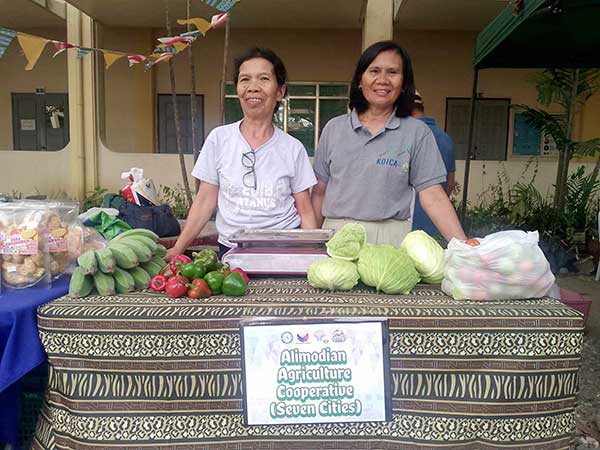
By the time the Agro-Industrial Fair of West Visayas State University opened its doors on January 27, marking the first day of University Days, colorful stalls bustled with enthusiastic patrons. Yet one stall stood noticeably different—not because it lacked appeal, but because it was nearly wiped clean. The Alimodian Agriculture Cooperative (Seven Cities) had already sold most of its produce, leaving the women running the booth with little else to do but relax.
Seated behind a tower of empty baskets, Virgie Aldamar, 60, and Imelda Catanus, 67, seemed pleasantly surprised by their swift success. It was only 1 p.m., yet they were already making calls back home to replenish their inventory. The demand spoke volumes about the quality of their produce.
“High-value crops,” they called them. Bell peppers, cabbages, carrots, tomatoes, string beans, sayote—everything had flown off the table by midday. All these vegetables were grown on their own land and nurtured through advanced farming techniques, including greenhouse cultivation, a new addition they built in March of last year.
Virgie and Imelda shared another innovation they swear by: Indigenous Microorganisms (IMO) as a natural alternative to conventional fertilizers. These microorganisms, which include fungi, bacteria, and yeast found in soil and living organisms, not only speed up plant growth but also reduce toxic chemicals in the soil. They adopted this method after attending seminars hosted by the Korea International Cooperation Agency, which has partnered with the Department of Agriculture for three decades to strengthen Philippine agriculture.
For Virgie and Imelda, farming is both heritage and innovation. They’ve been vending vegetables as cooperative members for four years, but their farming roots go deeper. “Since then,” they answered simply when asked how long they’d been cultivating crops. They inherited their green thumbs from parents who farmed rice and corn fields.
Their produce is more than just a product of soil and rain—it’s a fusion of traditional wisdom and forward-thinking technology. Breaking away from chemical-heavy fertilizers, they believe, results in healthier crops and healthier lives.
Their success at the fair wasn’t just about their high-value crops, though. While other vendors leisurely set up their stalls, Virgie and Imelda were ready for business by 9 a.m., proving that the early bird truly does get the worm—and, in this case, gets to relax far earlier than the rest of the flock. By Trixie Aurelia Ningas, Hazelyn Aliboso, Ryde Rendell Ponsara, Kaela Jamelo (Specialized Beat Reporting Class under Dr. Hazel P. Villa)
Article Information
Comments (0)
LEAVE A REPLY
No comments yet
Be the first to share your thoughts!