Philippines-South Korea FTA Takes Effect, Boosts Trade
The free trade agreement (FTA) between the Philippines and South Korea officially took effect on Dec. 31, 2024, marking a historic milestone in bilateral trade and economic relations. The FTA, signed on Sept. 17, 2023, aims to foster trade, promote industrial growth, and strengthen cooperation in key sectors. Its implementation coincides with the 75th anniversary

By Staff Writer
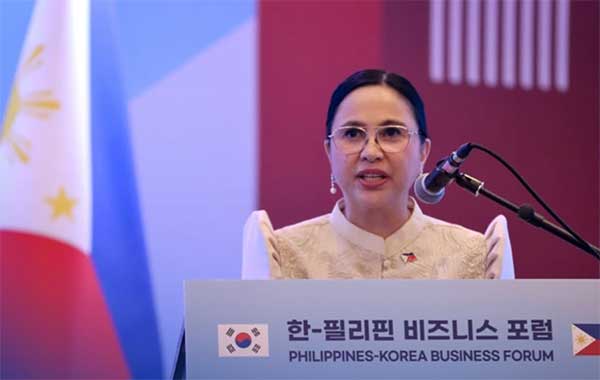
The free trade agreement (FTA) between the Philippines and South Korea officially took effect on Dec. 31, 2024, marking a historic milestone in bilateral trade and economic relations.
The FTA, signed on Sept. 17, 2023, aims to foster trade, promote industrial growth, and strengthen cooperation in key sectors. Its implementation coincides with the 75th anniversary of diplomatic ties between the two nations and the recent upgrade of their relationship to a strategic partnership.
Under the agreement, the Philippines gains improved market access for tropical fruits, particularly fresh bananas.
By 2028, banana exports to South Korea will be duty-free, with tariffs gradually reduced from 24% upon entry to 18% by January 2025.
This development is expected to enhance the competitiveness of Philippine bananas, bolstering the livelihoods of Filipino farmers and creating more jobs in banana production and exports.
The agreement also safeguards several Philippine industries by maintaining tariff protection for sensitive products such as plastics, petrochemicals, sugar, dairy, fish, processed meat, and certain agricultural goods.
Meanwhile, South Korea benefits from reduced tariffs on automotive vehicles, parts, and components, which will lower costs for vehicle manufacturers and consumers.
Beyond tariff reductions, the FTA includes a robust chapter on Economic and Technical Cooperation. It prioritizes trade and investment promotion in sectors such as critical minerals processing, electric vehicle manufacturing, innovation, creative industries, and e-commerce.
Collaborative initiatives include knowledge sharing, technical assistance, and joint research and development.
To implement these commitments, both nations signed an Implementing Arrangement for Economic and Technical Cooperation that identifies priority projects and allocates resources.
Consultations to operationalize these efforts will begin within six months, involving stakeholders and ensuring active communication channels for project development.
“The implementation of this bilateral FTA is a significant stride in growing trade and investment between the Philippines and South Korea,” said Department of Trade and Industry (DTI) Secretary Cristina A. Roque.
“This collective achievement sets the stage for industry and business growth. Continued partnership and stakeholder engagement are key to unlocking a prosperous and sustainable future for both nations,” she added.
The Philippines-South Korea FTA is the country’s third free trade agreement, following the Philippines-Japan Economic Partnership Agreement (2006) and the Philippines-European Free Trade Area FTA (2016).
In 2023, South Korea ranked fifth among the Philippines’ trade partners, with bilateral trade amounting to USD 12 billion. It was the country’s fifth-largest export market and fourth-largest import supplier. South Korea also ranked seventh in net foreign direct investment at USD 21.3 million and 12th in approved investments at USD 27.3 million.
For more details, visit www.dti.gov.ph or email brd@dti.gov.ph.
Article Information
Comments (0)
LEAVE A REPLY
No comments yet
Be the first to share your thoughts!