
NegOcc guv assures support for Guimaras-Negros bridge

BACOLOD City – Negros Occidental Governor Eugenio Jose Lacson said he supports the Negros-Guimaras Bridge project that is proposed to end in the province through Pulupandan town. Lacson told reporters that he met with National Economic Development Authority (NEDA) Region 6 Director Arecio Casing Jr., at the Capitol last Saturday for the presentation
By Dolly Yasa
By Dolly Yasa
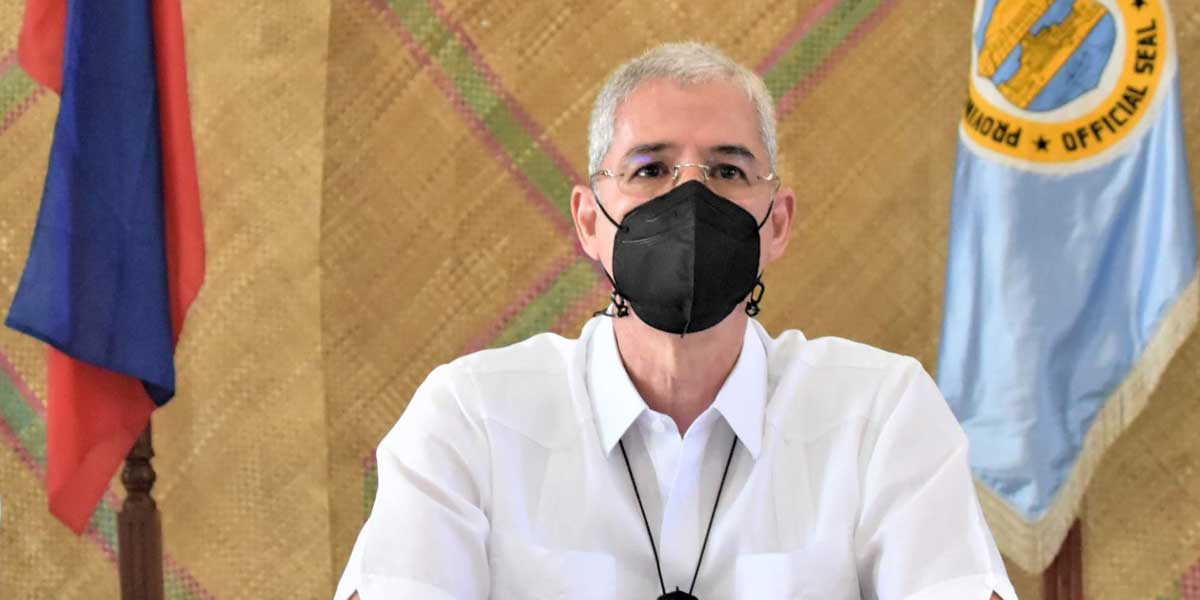
BACOLOD City – Negros Occidental Governor Eugenio Jose Lacson said he supports the Negros-Guimaras Bridge project that is proposed to end in the province through Pulupandan town.
Lacson told reporters that he met with National Economic Development Authority (NEDA) Region 6 Director Arecio Casing Jr., at the Capitol last Saturday for the presentation of the latest development and updates on the Guimaras-Negros Bridge Project.
Lacson said he was informed by Casing that the project needs an endorsement from Provincial Development Council here.
“He came here to ask for the endorsement of the PDC for the original plan of the Guimaras-Negros that will connect through Pulupandan town,” he added.
He assured that the PDC is set to meet next week to endorse the project.
The governor further said that he talked to Vice Governor Jeffrey Ferrer regarding the entry point in Pulupandan which is located in the 4th district and the latter said there will be no problem at all.
“The fourth district is ready that the entry/exit point of the bridge will be constructed in Pulupandan,” Lacson said.
Lacson also personally supports the construction of the bridge.
“What is important is it can now be started because for a while they (NEDA) just thought of doing the Iloilo-Guimaras side.”
Comments (0)
LEAVE A REPLY
No comments yet
Be the first to share your thoughts!


