
Marcos backs MGen, ACWA solar energy partnership
President Ferdinand R. Marcos Jr. has thrown his full support behind the joint renewable energy initiative of Manila Electric Co.’s (Meralco) power unit MGen and Saudi Arabia’s ACWA Power, as the administration doubles down on clean energy to secure the country’s future energy supply. During a meeting at Malacañang Palace, Marcos met with Meralco Chairman
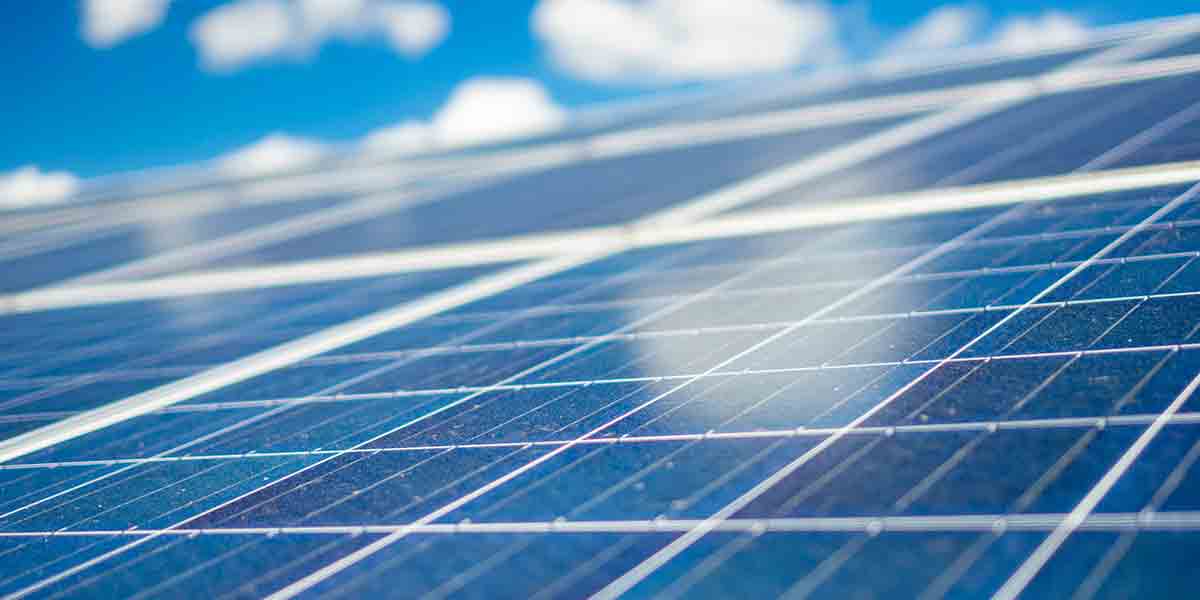
By Staff Writer
President Ferdinand R. Marcos Jr. has thrown his full support behind the joint renewable energy initiative of Manila Electric Co.’s (Meralco) power unit MGen and Saudi Arabia’s ACWA Power, as the administration doubles down on clean energy to secure the country’s future energy supply.
During a meeting at Malacañang Palace, Marcos met with Meralco Chairman Manuel V. Pangilinan and ACWA Power Chairman Mohammad Abunayyan to discuss the MTerra Solar facility and broader plans to invest in sustainable power projects in the Philippines.
“Ang mga proyektong tulad ng MTerra Solar facility ang kailangan natin upang matiyak na may malinis, abot-kaya, at maaasahang enerhiya ang bawat pamilyang Pilipino,” Marcos said in a Facebook post Thursday night.
“Patuloy ang suporta ng pamahalaan sa mga proyektong nagtutulak sa mas malinis, mas matatag, at mas abot-kayang enerhiya para sa Bagong Pilipinas,” he added, reaffirming his administration’s commitment to expanding the country’s renewable energy (RE) footprint.
The MTerra Solar project is part of a broader collaboration between MGen and ACWA Power, following their June 4 strategic partnership agreement to jointly pursue solar and other clean energy developments in the Philippines and across Southeast Asia.
MGen, a wholly owned subsidiary of Meralco PowerGen Corp., currently manages 4.95 gigawatts (GW) of diversified energy assets nationwide. Its transition to renewables reflects Meralco’s long-term sustainability roadmap aimed at reducing dependence on fossil fuels.
ACWA Power, based in Saudi Arabia, holds a development portfolio of 78.8 GW globally, with investments spanning solar, wind, green hydrogen, and desalinated water projects. It is recognized as the world’s largest private water desalination company and an early leader in green hydrogen.
Their entry into the Philippine energy sector is expected to enhance competition, attract foreign capital, and help accelerate the Department of Energy’s (DOE) goal of achieving a 35% renewable energy share in the country’s power mix by 2030 and 50% by 2040.
Large-scale solar projects like MTerra could help ease supply constraints on the Luzon grid, which has been grappling with recurring power alerts due to thin reserves and increased demand during dry seasons.
However, industry experts say that the success of utility-scale RE projects also depends on addressing grid congestion, improving transmission infrastructure, and ensuring regulatory predictability for investors.
To support these efforts, the National Grid Corporation of the Philippines (NGCP) is under increasing pressure to accelerate transmission line buildouts and grid reinforcement projects, particularly in regions identified as high-potential renewable energy zones.
The Marcos administration has repeatedly emphasized energy security and climate resilience as central pillars of its economic agenda under the “Bagong Pilipinas” governance framework.
Through initiatives like Executive Order No. 21, signed earlier this year, the administration aims to streamline permitting processes for energy projects and attract more public-private investments into the sector.
With MGen and ACWA Power joining forces, the Philippines is poised to gain from both domestic expertise and international technological innovation in scaling up clean energy deployment.
Article Information
Comments (0)
LEAVE A REPLY
No comments yet
Be the first to share your thoughts!


