
DOF Streamlines Education Tax Incentives to Boost Investments
The Department of Finance (DOF) has rolled out new revenue regulations to simplify access to tax incentives for education, aiming to increase private sector participation in human capital development across the Philippines. Revenue Regulations (RR) No. 13-2025, signed by Finance Secretary Ralph G. Recto on March 17, 2025, seeks to modernize outdated procedures and encourage
By Staff Writer
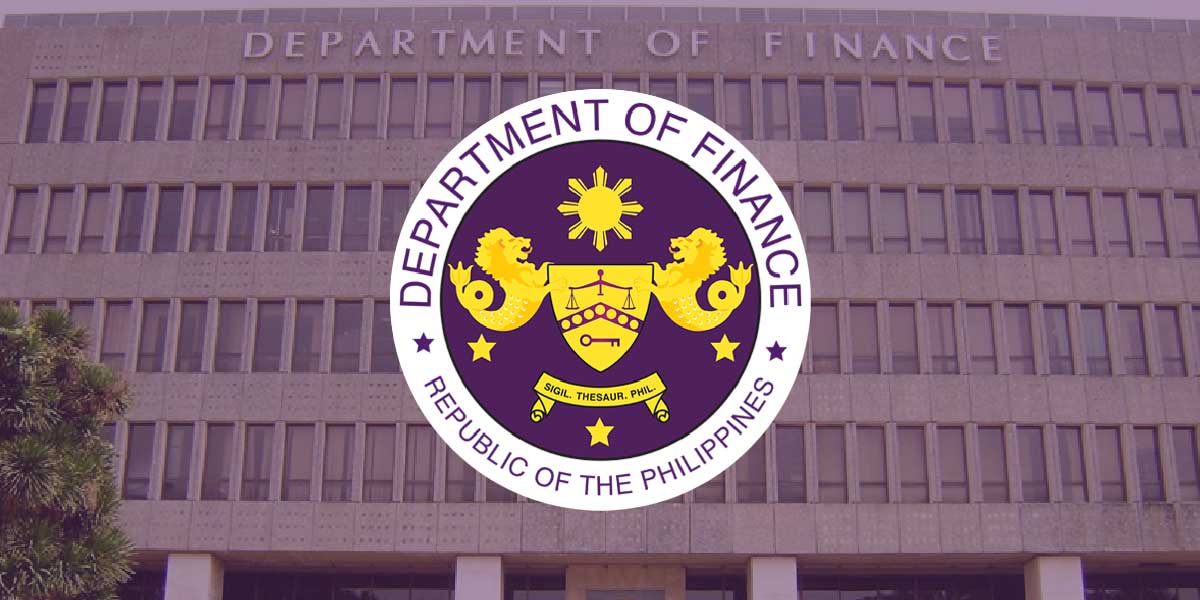
The Department of Finance (DOF) has rolled out new revenue regulations to simplify access to tax incentives for education, aiming to increase private sector participation in human capital development across the Philippines.
Revenue Regulations (RR) No. 13-2025, signed by Finance Secretary Ralph G. Recto on March 17, 2025, seeks to modernize outdated procedures and encourage greater investment in education and workforce training.
“By prioritizing education, we are accelerating not only national development, but more importantly, we are creating more opportunities to uplift the lives of every Filipino through strategic human capital investments,” said Recto.
The regulation consolidates tax exemption and incentive provisions under three key legislative frameworks—Republic Act (RA) No. 8525, RA No. 12063, and the National Internal Revenue Code—to streamline compliance for private entities supporting education.
RR No. 13-2025 took effect on April 17, 2025, 15 days after its publication on the Bureau of Internal Revenue (BIR) website, following the recommendation of BIR Commissioner Romeo Lumagui Jr.
RA No. 8525, also known as the Adopt-a-School Act, encourages private organizations to assist in upgrading public school facilities and programs by offering tax deductions for donations and partnerships.
RA No. 12063, the Enterprise-Based Education and Training (EBET) Act, provides a unified system for enterprise-led training programs to help close job skills gaps and combat youth unemployment.
These laws are aligned with the Philippine Development Plan (PDP) 2023–2028, which identifies education and workforce readiness as key pillars of inclusive economic growth under President Ferdinand R. Marcos Jr.’s administration.
The DOF emphasized that the new rules reduce administrative burden, improve regulatory clarity, and enhance the ease of doing business for education-supporting entities.
Private sector partners are expected to play a larger role in expanding access to primary, secondary, tertiary, and technical-vocational education through both financial and in-kind contributions.
Education and labor experts have welcomed the policy shift, citing it as a vital step toward strengthening industry-academe collaboration and building a future-ready Filipino workforce.
This reform also complements ongoing efforts to attract public-private partnerships (PPPs) in key sectors, a cornerstone of the government’s human capital and economic development strategy.
Article Information
Comments (0)
LEAVE A REPLY
No comments yet
Be the first to share your thoughts!


