
Dengue cases in Capiz surge by 42%
By Felipe V. Celino
By Felipe V. Celino
ROXAS CITY, Capiz – Dengue cases in the province of Capiz has surged by 42 percent so far this year.
Based on data released by the Provincial Health Office recently, the province has recorded 179 cases from January to June 11, 2022, compared to 126 cases in the same period last year.
Mark Louie Atanque of the Capiz Provincial Health Office said clustering of cases were detected in Sapian town, Bolo and Mongpong in Roxas City, and Brgy. Pangabuan and Pangabat in Jamindan town.
Roxas City has the most number of dengue cases with 68, followed by Jamindan (40), Pontevedra (10), Sapian (9), Dao (8), Cuartero (6), Panay (5), Pilar, Ivisan, President Roxas and Tapaz (4 each), Mambusao and Dumarao (3 each), Sigma (2), Panit-an and Dumalag with one each.
The Capiz PHO reminded the public to maintain cleanliness in their surroundings and eliminate breeding grounds of mosquitoes, which spread the disease, through the 4S strategy:
-Search and Destroy
-Self Protection and Measure
-Seek Early Consultation
-Say No to Indiscriminate Fogging
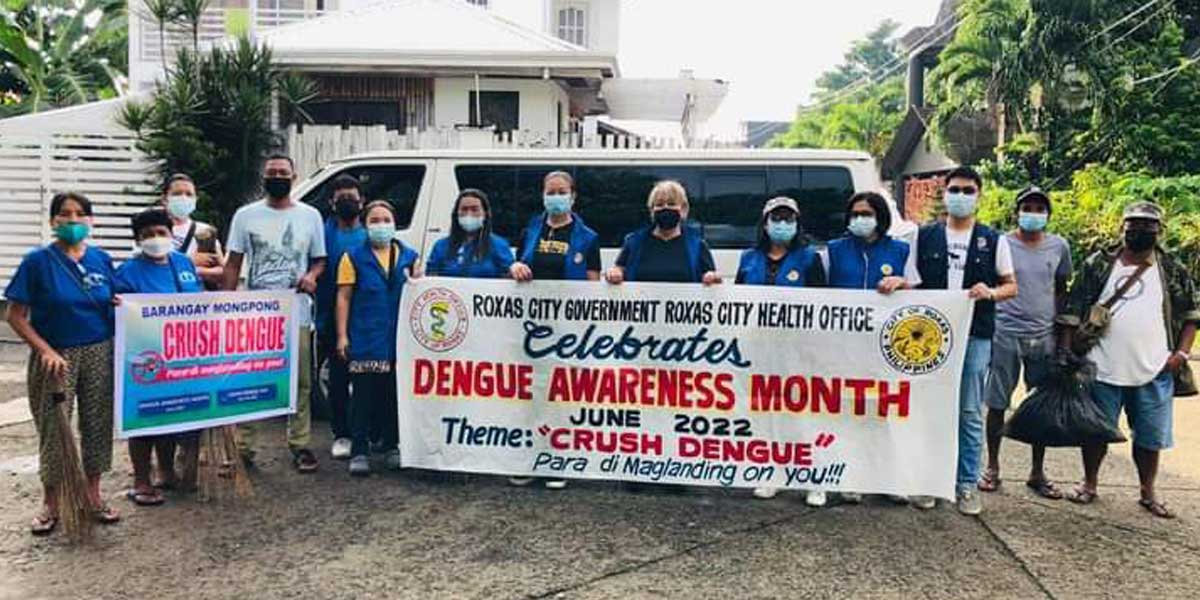
Meanwhile, the City Health Office and Roxas City Government conducted simultaneous cleanup drives against dengue in Brgy. Mongpong here.
This is in partnership with the Philippine Pediatric Society Capiz Chapter led by Dr. Petula Bermoy.
The activities aim to intensify the dengue awareness campaign.
Comments (0)
LEAVE A REPLY
No comments yet
Be the first to share your thoughts!


