
Communities seen as key defenders in West Philippine Sea
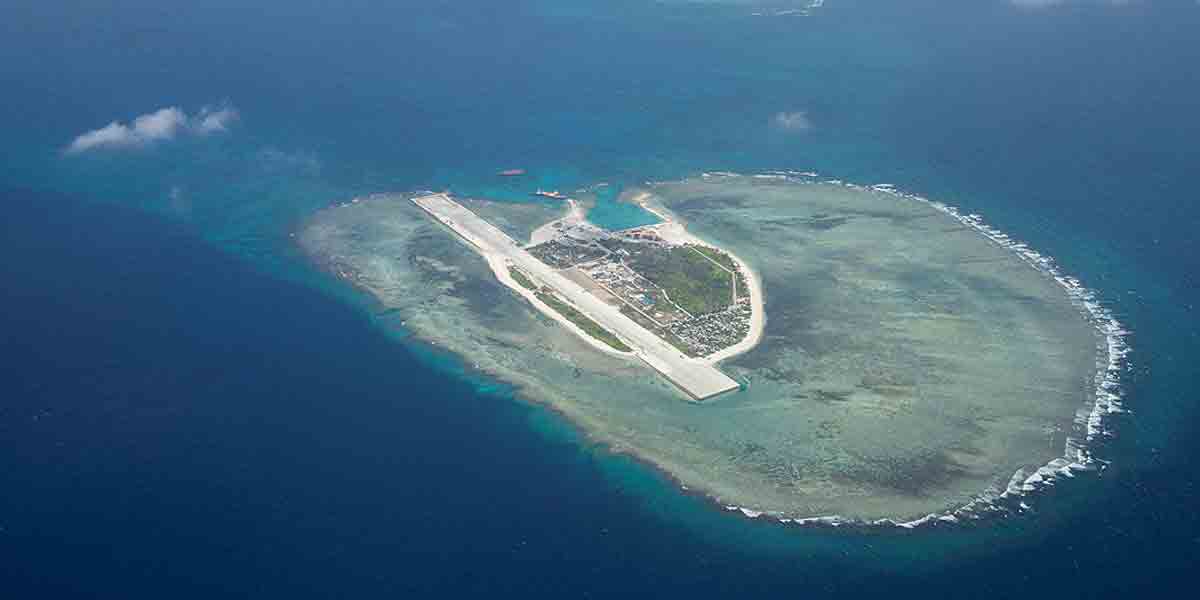
MANILA — Filipino coastal communities are increasingly recognized as the country’s first line of defense in the West Philippine Sea, experts asserted during the “Eyes on the Sea” forum hosted by the Stratbase Institute. Held amid escalating maritime tensions, the forum brought together national leaders, diplomats, and security officials to emphasize community-based maritime monitoring as
MANILA — Filipino coastal communities are increasingly recognized as the country’s first line of defense in the West Philippine Sea, experts asserted during the “Eyes on the Sea” forum hosted by the Stratbase Institute.
Held amid escalating maritime tensions, the forum brought together national leaders, diplomats, and security officials to emphasize community-based maritime monitoring as a vital strategy in safeguarding Philippine sovereignty and marine resources.
Presidential Assistant for Maritime Concerns Secretary Andres Centino warned that the event occurred “at a moment of heightened complexity in the maritime environment,” pointing to “incursions into our waters, coercive actions and illegal activities by external actors.”
Centino noted that many Filipino fishermen are willing to support government efforts, saying, “Many affirmed their willingness to cooperate or to help government by reporting maritime incidents and suspicious activities.”
However, he also acknowledged the serious risks faced by these communities. “Many hesitated to file reports of incidents due to legitimate concerns of the security, about possible retaliation and harassment,” he said, calling for “targeted policy responses, stronger institutional safeguards, and sustained engagement to build trust in the system”.
Stratbase Institute President Prof. Victor Andres “Dindo” Manhit highlighted the environmental roots of the Philippines’ maritime fight, particularly the 2016 arbitral ruling that invalidated China’s expansive claims.
“People think it’s simply about defending our maritime rights, protecting our territorial integrity,” he said. “China’s island building activities have caused devastating and long-lasting damage to the marine environment.”
Manhit also raised concern over growing disinformation and public disengagement. “There’s a strong constituency among Filipinos that really would like us to assert our rights… It’s quite sad that these past two years… we see an uptick in the number of disengagement.”
Despite this, he pointed to persistent support across regions and sectors: “Across geographic area, across demographic area of the Philippines, we stand strong. It has never gone down.” He emphasized, “72% of Filipinos want government to protect our country’s territory and marine resources, as well as the rights of people and fishing communities”.
The forum also featured international partners who reaffirmed the importance of grassroots-led maritime governance.
Australian Ambassador Mark Innes-Brown outlined Canberra’s practical support for the Philippines. “In 2024, Australia is proud to donate four watermakers to provide PCG vessels with potable water, allowing for extended mission times during deployment at sea,” he said.
“We also donated very high frequency radios to the Coast Guard in Palawan, bolstering the PCG’s ability to respond to maritime incidents and emergencies,” he added.
Vietnamese Ambassador Lai Thai Binh said coastal communities shape Vietnam’s maritime security strategy. “South China Sea is very important to our life,” he said, praising the Philippines’ focus on community-based monitoring.
“We have implemented the Integrated Coastal Management Program… which empowers local communities and fish ports to monitor maritime resources and report illegal activities,” he said. “We conduct training on marine debris assessment and monitoring protocols… to use simple tools like applications and cameras for real-time reporting.”
He noted that Vietnam’s grassroots monitoring systems feed directly into national-level policy. “Our fish port networks in southern provinces have been instrumental in limiting encroachment, contributing to national databases that inform policy decisions”.
New Zealand Ambassador Catherine McIntosh echoed the importance of community empowerment. She said New Zealand’s regional work is “practical and community level,” including education for artisanal fishers, school outreach, and training in vessel safety and emergency response.
Philippine Coast Guard (PCG) Commandant ADM Ronnie Gil Gavan explained how the PCG has institutionalized local collaboration.
“Our mission is to engage all of our stakeholders in the coastal communities and beyond,” he said. “The program allows us not only to provide support to our fishermen, but to leverage their presence at sea as our first-line sources of information of what’s happening out there.”
Gavan said trust is key to maritime cooperation. “The Philippine Coast Guard has been trying to be one of the significant instruments of diplomacy of the country. We project presence, we strengthen alliances, and we build trust amongst ourselves,” he said.
“Information should be seamless if we trust each other, not only in our coastal communities but around the regions within our seas”.
The forum underlined how community-driven strategies—backed by regional partnerships and national policy—are shaping a more resilient response to maritime threats in the West Philippine Sea.
Comments (0)
LEAVE A REPLY
No comments yet
Be the first to share your thoughts!


