
Cebu Pacific welcomes another aircraft powered by sustainable aviation fuel
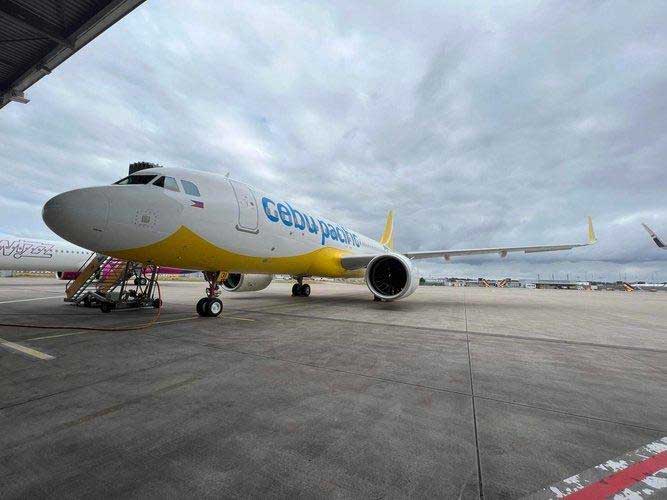
Cebu Pacific (CEB), the Philippines’ leading airline, received on July 17 its fourth aircraft delivery for 2022 — a brand-new Airbus A320NEO that used sustainable aviation fuel (SAF) on its delivery flight from Hamburg, Germany, to the Ninoy Aquino International Airport (NAIA) in Manila.
CEB became the first low-cost carrier in Southeast Asia to incorporate the use of SAF into its operations when it took delivery of its third A330NEO in May this year.
“We are happy to welcome another aircraft that used sustainable aviation fuel on its delivery flight from Hamburg. This is a testament to how committed we are to our sustainable journey, which involves moving forward with our fleet modernization plans,” said Alex Reyes, Chief Strategy Officer at Cebu Pacific.
CEB intends to use SAF for the delivery of three more aircraft later this year.
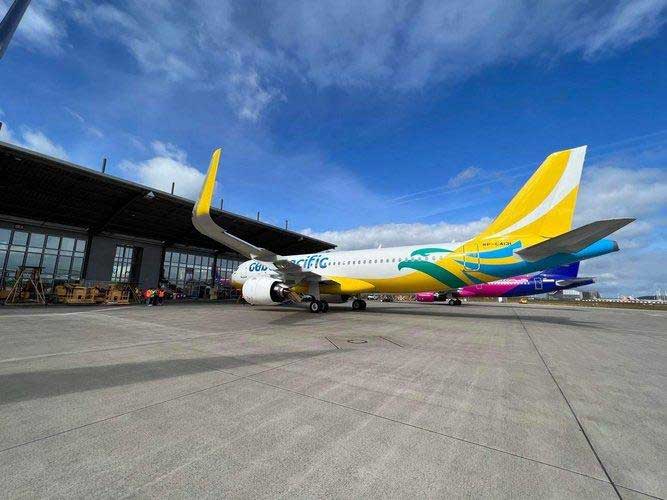
SAF is a drop-in fuel, which means it is a completely interchangeable replacement for fossil fuels. The use of SAF results in an up to 80% reduction in carbon emissions across the SAF lifecycle. SAF does not require any adaptations to the aircraft or engines and does not have any negative impact on performance or maintenance.
CEB’S sustainability goal is in line with global aviation’s commitment to achieve net zero carbon emissions by 2050. The airline has made various investments that enable it to become fuel-efficient in its operations to keep fares affordable for the passengers.
The airline’s three major pillars on its sustainable journey are fleet modernization which aims, among others, having an all-Neo fleet by 2027; resource optimization, which includes pushing for fuel efficiency best practices; and utilizing SAF by launching green routes by 2025 and using SAF for its entire network by 2030.
Comments (0)
LEAVE A REPLY
No comments yet
Be the first to share your thoughts!


