
Business confidence turns pessimistic in March on Middle East conflict
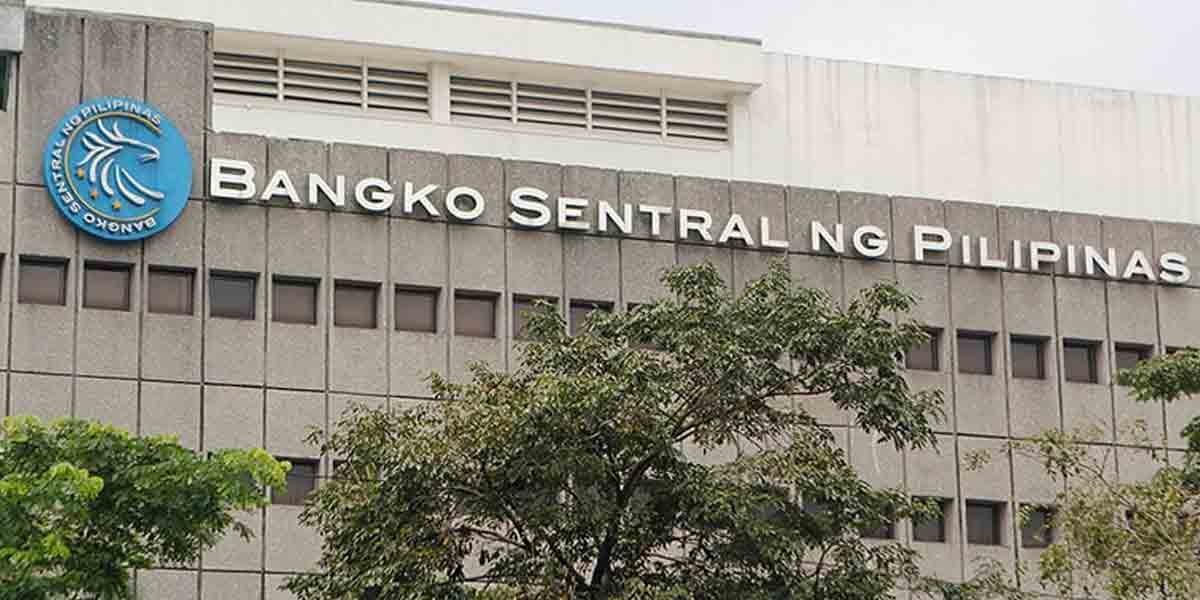
Philippine business confidence dropped sharply into negative territory in March 2026 as firms grew wary that rising fuel costs from the Middle East conflict would erode consumer spending, the Bangko Sentral ng Pilipinas (BSP) reported on April 24, 2026. The latest Business Expectations Survey (BES) showed the current-month confidence index
By Francis Allan L. Angelo
By Francis Allan L. Angelo
Philippine business confidence dropped sharply into negative territory in March 2026 as firms grew wary that rising fuel costs from the Middle East conflict would erode consumer spending, the Bangko Sentral ng Pilipinas (BSP) reported on April 24, 2026.
The latest Business Expectations Survey (BES) showed the current-month confidence index (CI) plunging to -24.3 percent in March from 8.2 percent in February. A negative CI means more respondents are pessimistic than optimistic.
The quarter-ahead CI also turned negative at -17.3 percent, a steep reversal from 37.4 percent in the previous survey.
The outlook for the next 12 months remained positive but weakened to 11.7 percent from 51.1 percent, weighed down by uncertainty over heightened geopolitical tensions in the Middle East and persistent inflationary pressures.
Respondents attributed their pessimism in March 2026 to the ongoing US–Iran war, which led to a sharp increase in domestic pump prices, and to expectations that consumer spending would slow as higher fuel costs feed into the prices of basic goods and services.
Hiring intentions for the quarter- and year-ahead became less favorable, signaling subdued employment growth in the coming months. The employment outlook index turned negative at -0.1 percent for June 2026 from 27.2 percent, while the year-ahead index fell to 10.0 percent from 30.0 percent.
A larger share of industry firms, however, reported expansion plans, reflecting investments already in the pipeline before the Middle East conflict began. The share of industry firms with expansion plans for June 2026 rose to 28.8 percent from 11.6 percent, while those for the next 12 months climbed to 30.7 percent from 14.2 percent.
Firms reported a tighter cash position and reduced credit access in March 2026. The financial condition index slid further to -24.9 percent from -15.2 percent, while the credit access index dropped to -7.1 percent from -4.0 percent.
Average capacity utilization (ACU) in the industry and construction sectors rose to 73.1 percent in March from 67.2 percent in February, as more firms operated at 80 to 100 percent capacity. Firms in the electricity, gas, and water sub-sector and in construction picked up operations at the start of the summer season.
Businesses cited stiff domestic competition, insufficient demand, and high interest rates as the major constraints to their activities, alongside the emerging impact of oil price hikes from the Middle East conflict on production costs.
Inflation expectations trended higher across all reference periods. Firms expected inflation to average 2.8 percent in March 2026, below the BSP’s 3.0-percent target for 2026, but to rise to 3.1 percent in June 2026 and 3.3 percent over the next 12 months. Both forward figures sit above the 3.0-percent target but remain within the ±1.0-percentage-point tolerance band.
Firms also expected the peso to depreciate against the US dollar, projecting average exchange rates of PHP 59.16 per USD 1 in March 2026, PHP 59.60 per USD 1 in June 2026, and PHP 60.00 per USD 1 over the next 12 months. Peso borrowing rates were likewise expected to rise across the same periods.
The BSP said it continues to closely monitor the impact of the Middle East conflict on domestic prices and the broader economy, and stands ready to take appropriate monetary policy action should rising oil prices lead to more persistent inflationary pressures. The central bank added that it has issued regulatory measures to enable banks to assist affected clients.
The March 2026 BES was conducted from March 5 to 31, 2026, covering 515 firms nationwide — 193 in the National Capital Region and 322 in areas outside the NCR — drawn through stratified random sampling from the Bureau van Dijk database of the Top 7,000 Corporations based on 2017 total assets. The nationwide response rate rose to 51.3 percent from 48.6 percent in February, with a sampling error margin of ±5.9 percent.
Article Information
Comments (0)
LEAVE A REPLY
No comments yet
Be the first to share your thoughts!


