
2024 POPCEN-CBMS Nears Completion, PSA Calls for Public Participation
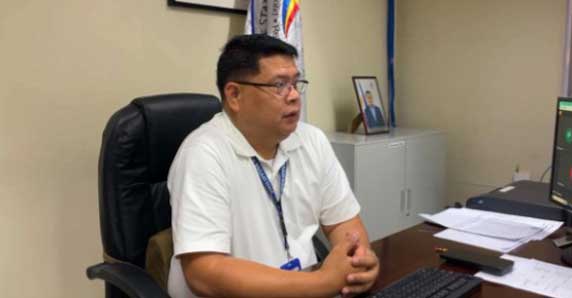
BACOLOD CITY – The 2024 Census of Population and Community-Based Monitoring System (POPCEN-CBMS) of the Philippine Statistics Authority (PSA) – Negros Occidental is nearing completion, with officials urging the public to ensure they are counted.
Interim Regional Director and Concurrent Chief Statistical Specialist John F. Campomanes emphasized the importance of participation, calling it an obligation for every Filipino household.
“The 2024 POPCEN-CBMS aims to update the country’s population inventory and streamline the list of beneficiaries of government social protection programs,” Campomanes said in an interview.
He added that the census results would serve as a basis for government decision-making in developing new and improved policies and projects.
Campomanes also stressed that compliance with the 2024 POPCEN-CBMS is a civil obligation and encouraged those who have not yet been interviewed to reach out through the following official communication channels:
E-mail: negrosoccidental@psa.gov.ph
Telephone No.: (034) 435 5385
For more updates from the Provincial Statistics Office of Negros Occidental, the public may follow the office’s official Facebook page: https://www.facebook.com/psa0645negocc.
Comments (0)
LEAVE A REPLY
No comments yet
Be the first to share your thoughts!


